Every year, Charlotte Water creates a report detailing how we did collecting, delivering and treating Mecklenburg County’s wastewater.
Here are the highlights and some thoughts about the important role wastewater treatment plays in our society.
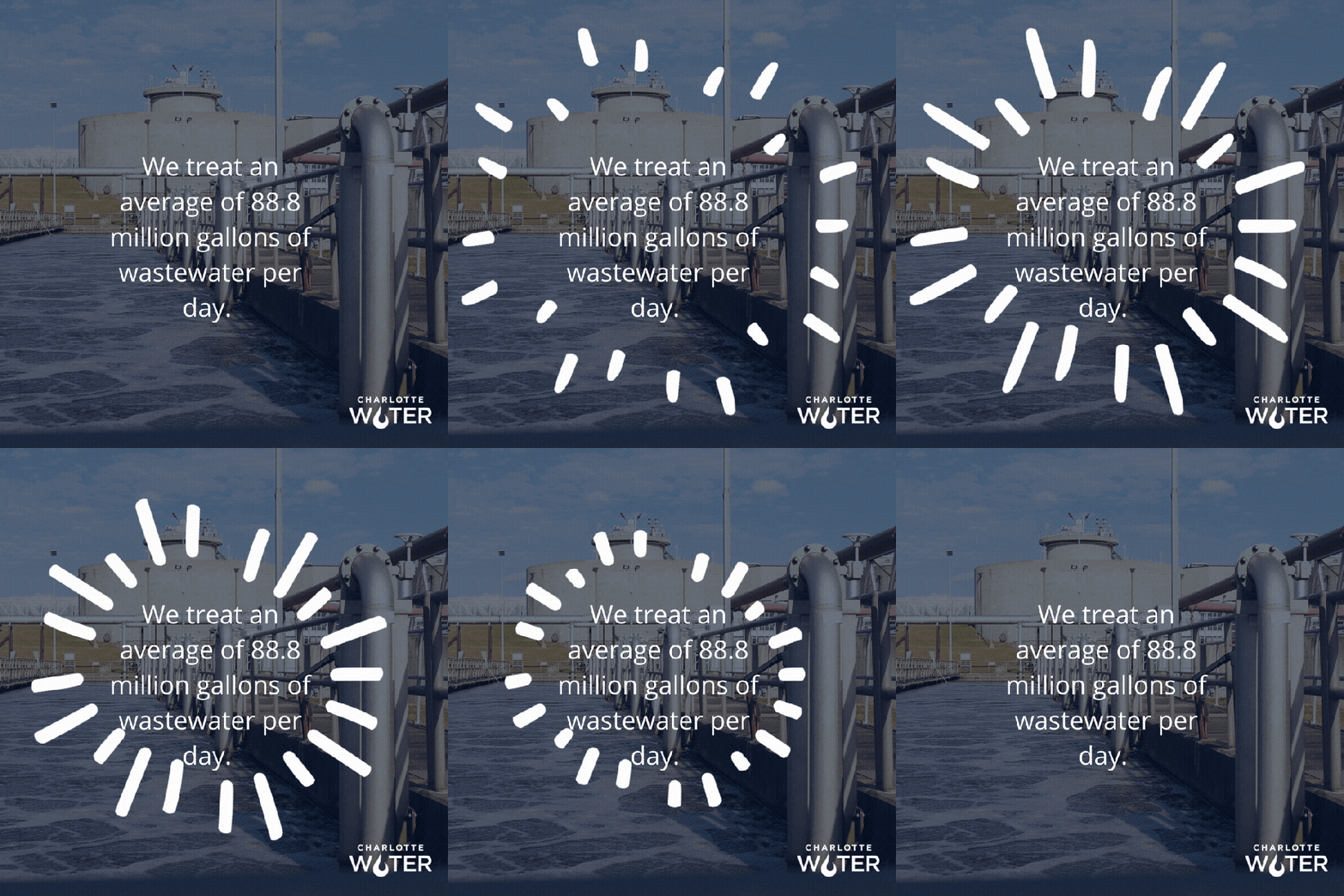
- This past year we successfully collected and treated more than 99.9% of the 32 billion gallons of the community’s wastewater.
- There were 151 sanitary sewer overflows in our community, a decrease of 11 spills compared to last year.
- The number of spills per 100 miles declined from 9.2 in fiscal year 2008 to 3.4 in fiscal year 2020.
- All seven wastewater treatment plants earned Peak Performance Awards from the National Association of Clean Water Agencies.
- Our staff continue to work strategically to clear blockages and repair wastewater pipes before they cause sanitary sewer overflows.
- 405.5 miles of wastewater pipes were treated with root control chemicals.
- 944.5 miles of wastewater pipes or 24% of our system was cleaned.
- 13.2 miles of wastewater pipe and 264 manholes were rehabilitated or replaced.
Want to do a deeper dive? Visit our website for the full report.
We asked our staff who work in wastewater why they take pride in their job and what they wish the community knew about wastewater treatment. Here is what they said.
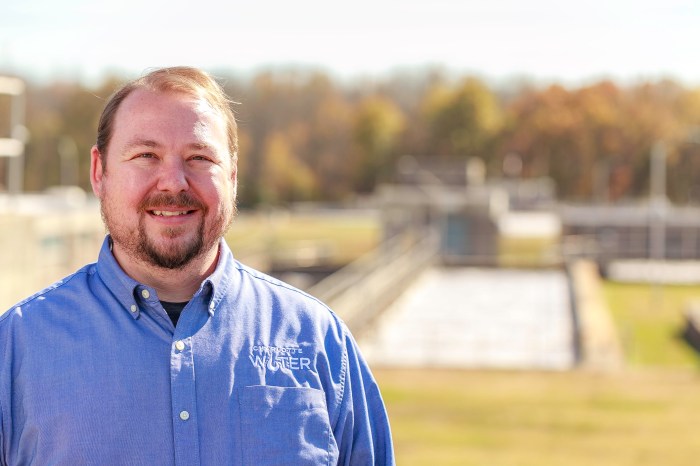
“If you take a long look at human history, wastewater treatment is really one of the most important building blocks in the foundation of civilization. Access to clean water is one of our primal necessities just as organisms in general.
As we grow and advance, we take more and more from the natural world around us. If we don’t take steps to mitigate the effects of our unprecedented success as a species on the basic building blocks that give us life, then we die.
An advanced human civilization is not possible without wastewater treatment. What we do is a necessity and a lynchpin to civilization. In a way, the rest of the world is built upon our efforts. The rest of the world may not see it that way, but if we look back over our long shared history, our service to mankind is profound.”- Henry Eudy, Mallard Creek Wastewater Treatment Plant Manager
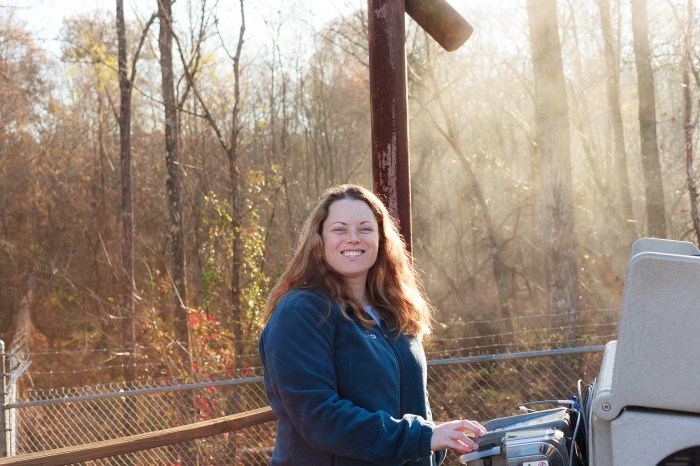
Johanna, Wastewater Treatment Operator at McDowell grew up around some substantial mine waste. That sparked her desire to want to help clean up the earth and then became interested in the wastewater treatment process.
“A wastewater treatment plant is much like a human body in its functions. Some think it’s disgusting, but we all should be grateful there are operators around to do just this. Without us, the wastewater would end up untreated in the creeks, rivers and oceans. Then where would we get water to drink and shower with? Everyone has a purpose in life, nurses, teachers, engineers etc. There are jobs out there I would not want to do, but this is a perfect fit for me. – says Johanna.

“Treatment plants were originally conceived with the express purpose of controlling infectious diseases! Of course, we have since realized and embraced the added benefits of protecting the environment and natural (and downstream drinking) water quality. Pathogen removal/inactivation is something we are doing 24/7/365, even when there isn’t a global pandemic.”- Muriel Steele
You can help reduce sanitary sewer overflows. Do not put grease, fats, or oils in the drain and do not flush wipes. Throw them in the trash instead.
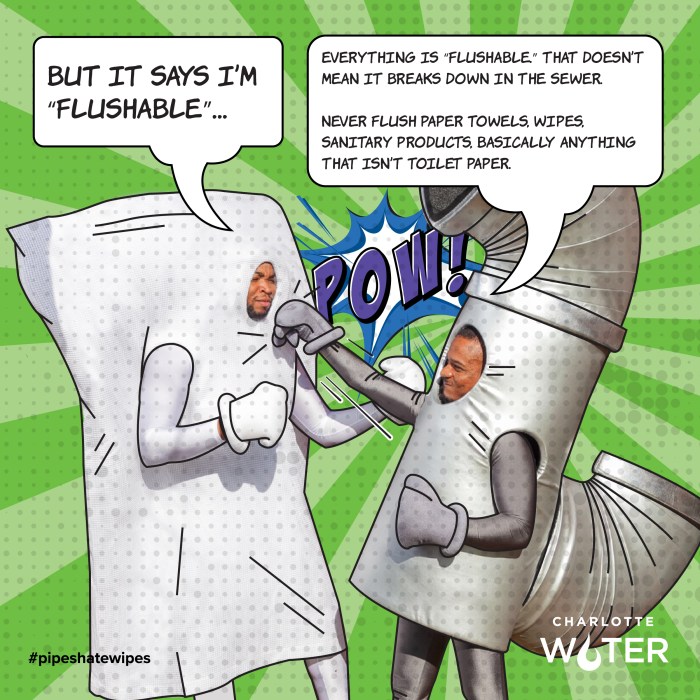
Like the image above? You can get a poster version to hang in your businesses restroom. Just email Alfonso Jones ajones@charlottenc.gov