With more than 4,500 miles of drinking water pipe, there is always something to fix.
Customers can help by calling 311 or 704-336-7600 when they see or suspect a water leak or water main break. Even after the 311 Call Center is closed customers can say or select ‘water emergency’ to reach our dispatchers 24/7.
Charlotte Water prioritizes leaks so that crews repair emergency leaks first.
The Numbers
• 2,000+ repairs per year. Most are service line repairs (between the water main and meter box).
• There are multiple pipes under major roads (serving immediate areas and zip codes).
• Less than 10% of water pipe infrastructure is over 50 years due to proactive pipe replacement efforts.
Water Pipe Repair Step-By-Step: Roadmap of a Leak Repair
Transcript for this video appears at bottom of this page.
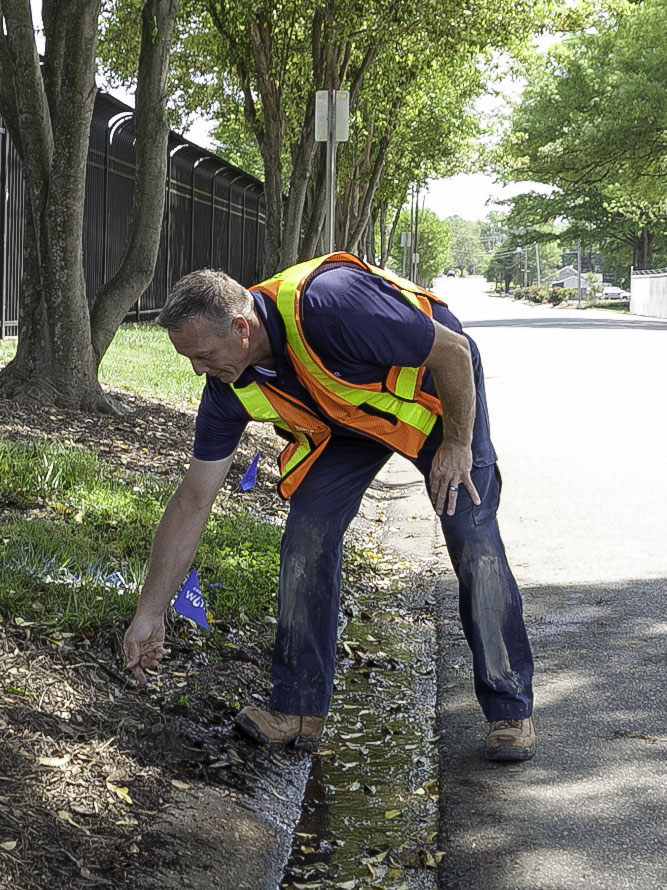
Investigate
Within hours, a field technician investigates and attempts to repair if it is an easy fix. If it is a leak that requires a construction crew, the technician prioritizes the leak based on severity. Many repairs require coordination with other departments or towns to minimize the impact on customers or drivers.
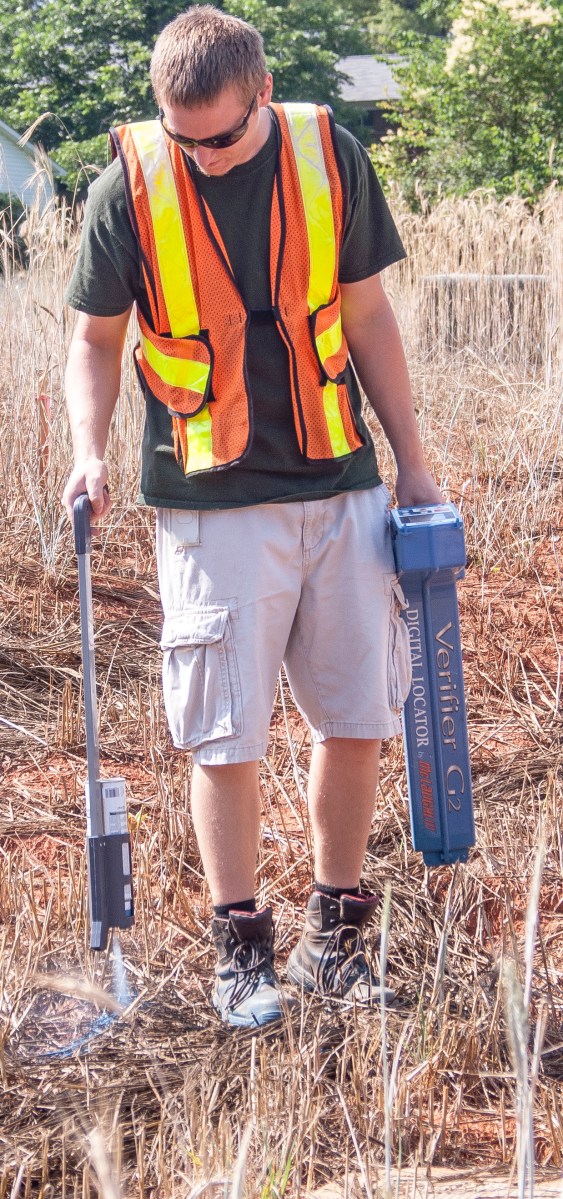
Locate
Call NC811 to have other utilities spray paint where their pipes / cables are before digging begins. This can take hours.
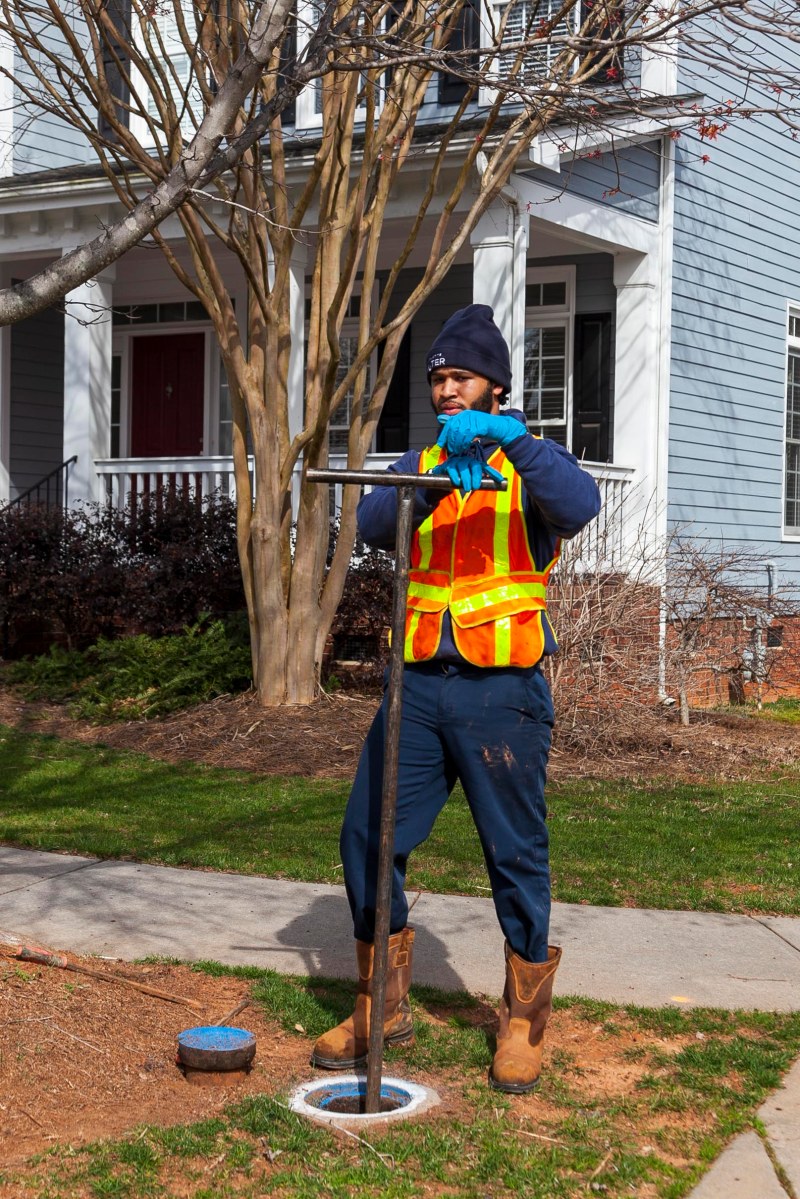
Isolate
Crews turn valves to stop water flowing through the leaking pipe. Crews may attempt to repair the pipe while keeping water in service for customers. Cones and barriers are set up to protect workers.
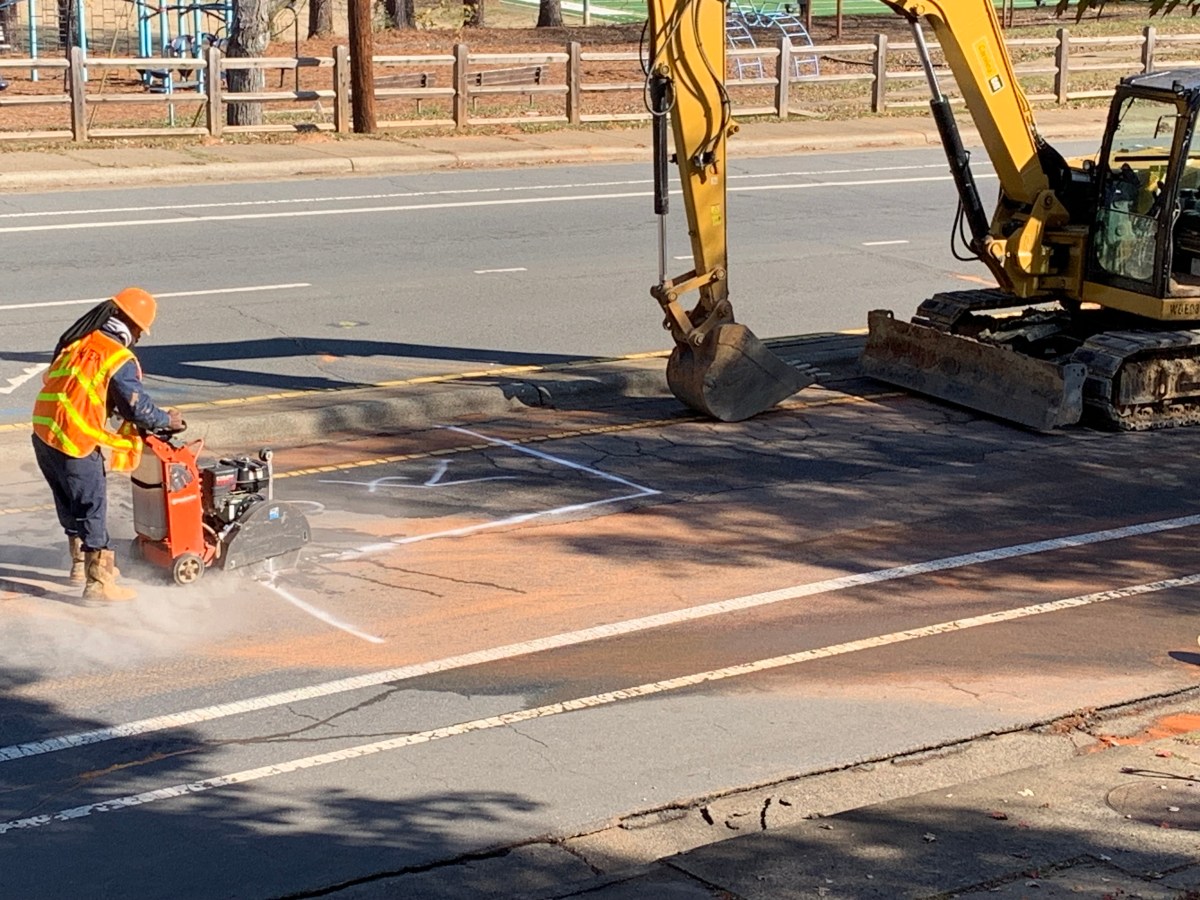
Excavate
Crews will uncover the pipe to make repairs or replace a section of the pipe. Crews will hand-dig portions to reduce the chance of damaging underground infrastructure.
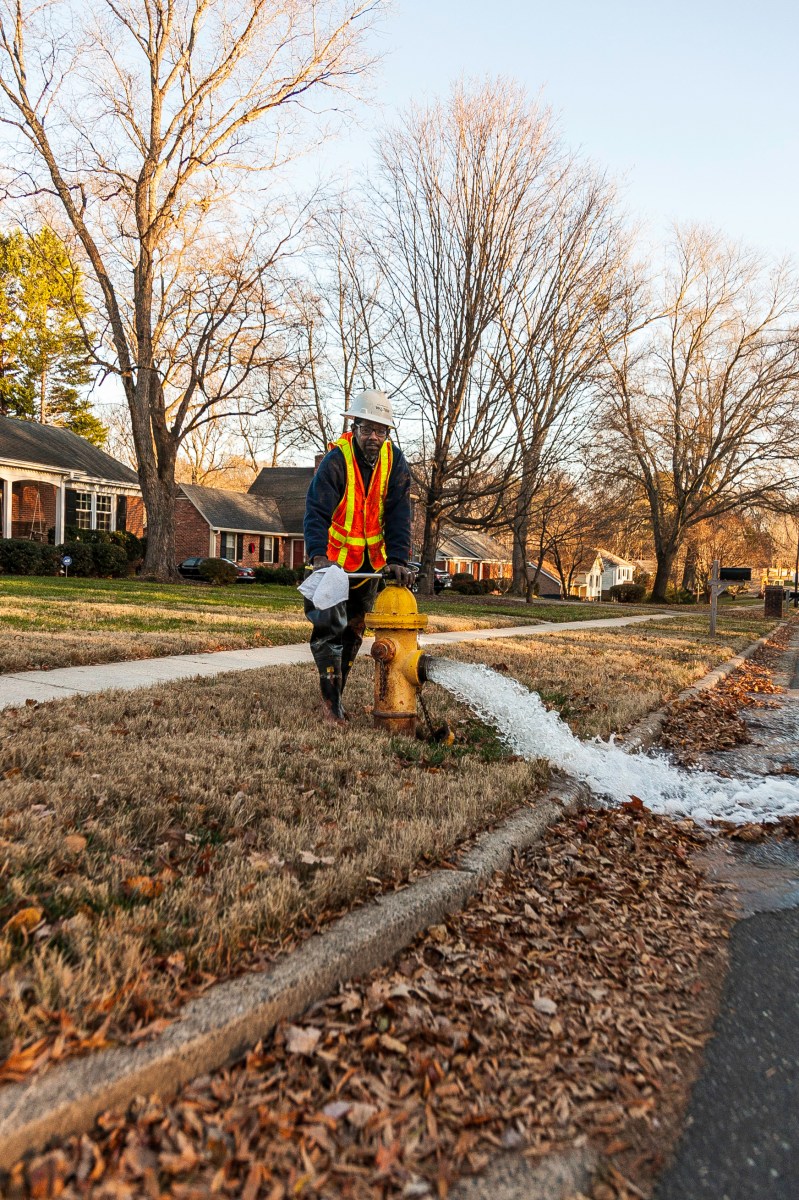
Restore Water Service
Fire hydrants flow to test water quality before restoring water service to customers.
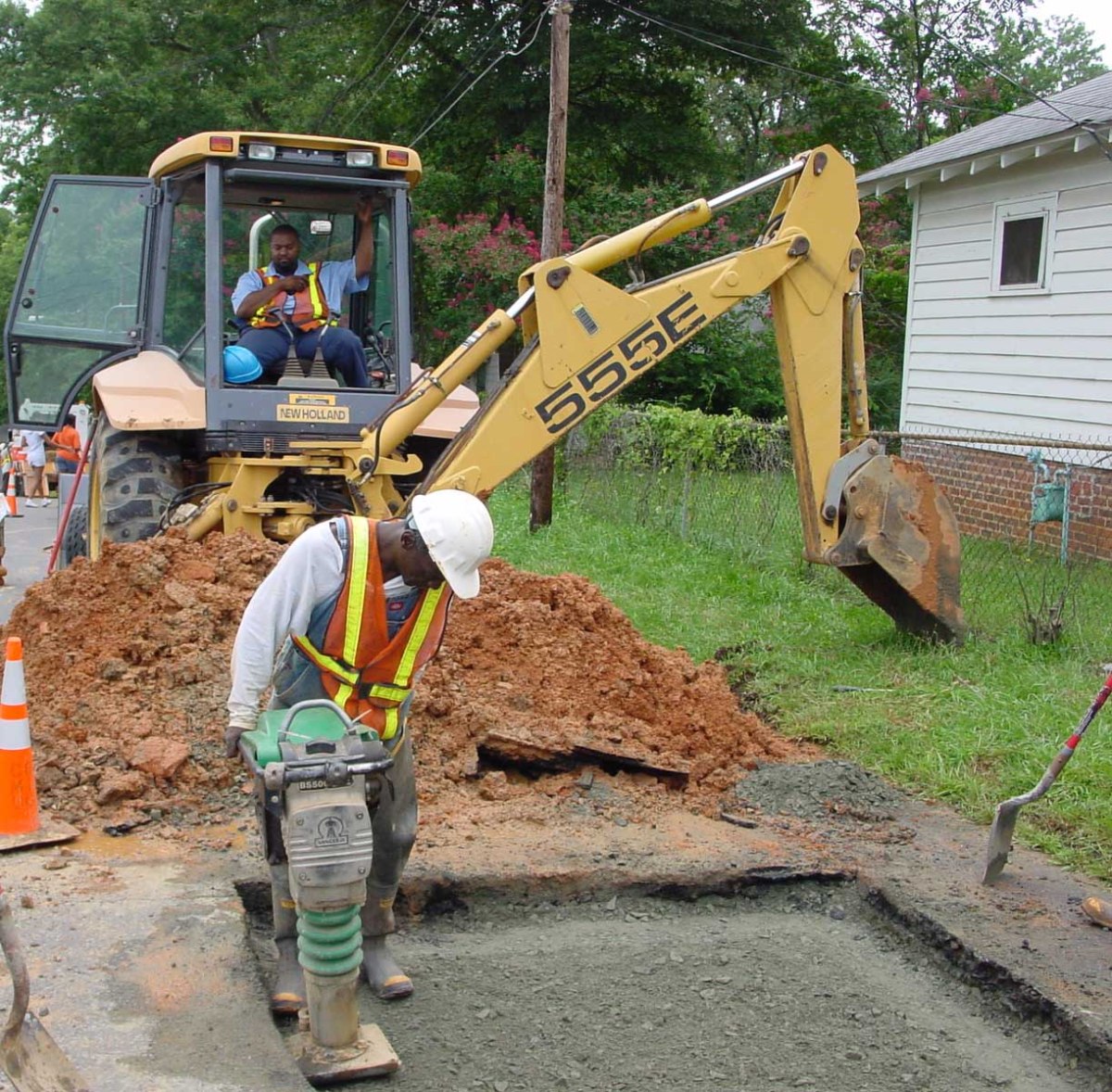
Repave and Reopen
Crews will backfill soil into the trench, test compaction, and then repave the road. Repaving depends on the weather. Air temperature is required to be a minimum of 40 degrees and rising in order to properly install asphalt.
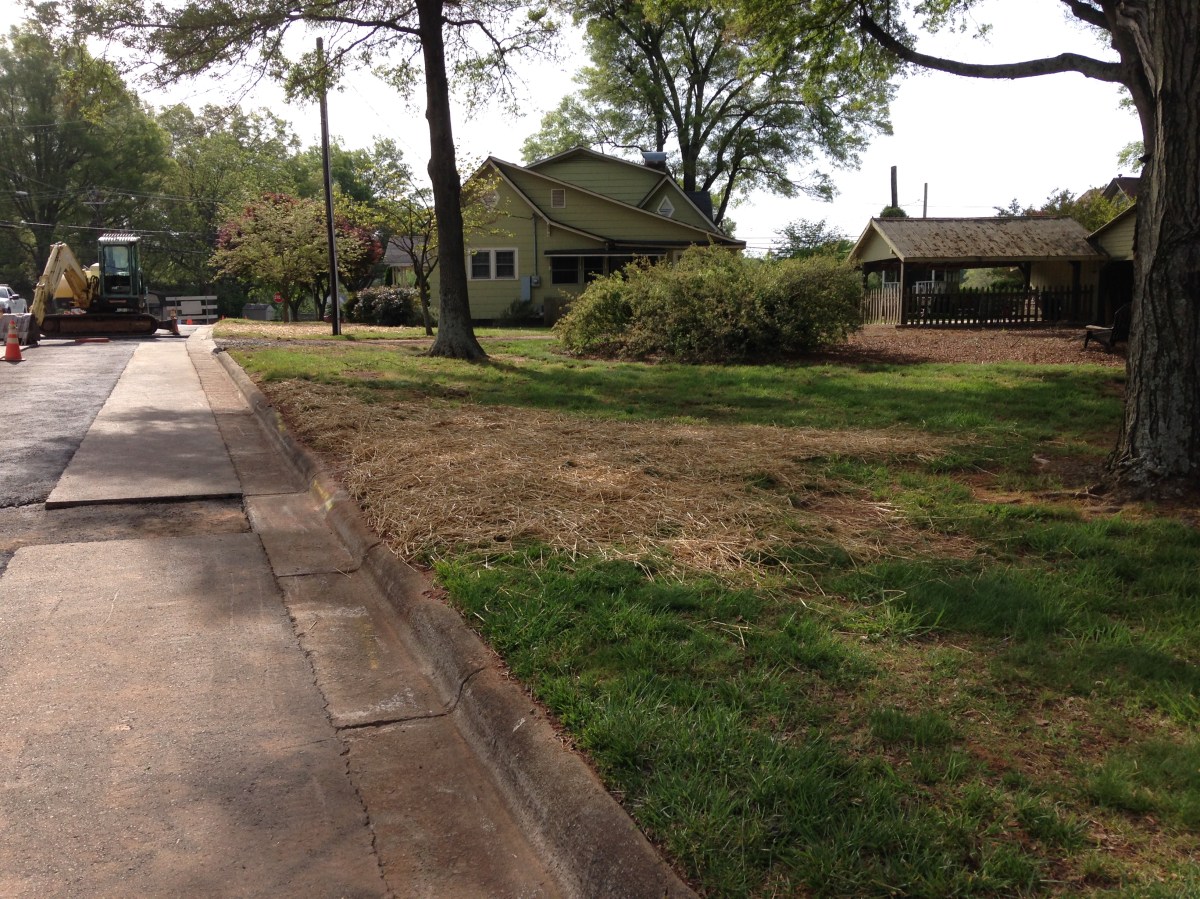
Restoration
Straw is placed over dirt if the repair is in a yard. A separate crew or contractor will return several days or weeks later to complete restoration efforts.
What other factors may extend the time between reporting a water leak and the repair?
Crews attempt to repair leaks without a water outage when possible and if there is time will work on solutions to minimize the outage.
Challenges underground
- Other utilities (fiber, storm water pipes) conflict with the repair and need to be replaced or moved including a large excavation area.
- Pipe requires full replacement including cutting it out and inserting a new pipe.
- Repaving depends on the weather. Air temperature is required to be a minimum of 40 degrees and rising in order to properly install asphalt.
Reducing impact on customers
- Coordinating with Charlotte Department of Transportation, North Carolina Department of Transportation, and/or towns to plan the repair to minimize detours during high traffic times.
- Installing new valves to minimize the number of customers affected by a water outage.
- Above ground water pipes may be installed to serve customers if the pipe replacement will take several days to complete.
What caused the water main break / leak?
Unfortunately, since water main breaks occur underground, in most cases we can only speculate as to how exactly the pipe broke. Here are some factors:
- Construction crews hitting mains while digging for other projects.
- Call 811 before you dig to locate the pipes
- Temperature changes that can cause the soil to expand and contract, putting stress on pipes.
- Sudden change in water pressure. Quick use of a hydrant to fight a fire or a water main break nearby can cause other pipes to leak.
- Weak seals or a weakness where two pipes are joined together.
- Soil conditions (movement, corrosion, extra soil on top pushing down on pipes)
What causes a water main to break?
There are several factors that can cause a pipe to break, including change in temperature, age and external damage.
Who should I call if I see a leak?
If you see or suspect a leak, call 3-1-1 or 704-336-7600 so that Charlotte Water can quickly dispatch a crew to the location. Our dispatchers are working 24/7 so even after CharMeck 311 is closed you can say or select water emergency after the audio greeting to reach our staff.
Learn more at
- Employee Profile: Crew Chief Restoring Water Service
- Large Meter Repair
- Cold Weather and Water Main Breaks
- How to Protect your pipes during the winter months
“Every day, Charlotte Water routinely repairs and maintains water and sewer pipes across our entire service area,” says Charlotte Water Director Angela Charles. “It’s important that we are doing all that we can to keep customers’ trust in our ability to provide clean, safe and reliable water service to the Charlotte region.”
To stay up to date on the most recent events and announcements, follow Charlotte Water on Twitter @CLTWater. For more information on other pipe replacement and restoration projects, visit us at CharlotteWater.org.
Transcript of video: “Roadmap of a Leak Repair:”
This video is a slide show with no audio. Text from slides includes: Roadmap of a Leak Repair; 1. Dispatchers notify crews to investigate; 2. Charlotte Water utility pickup truck arrives at a house to do Leak Assessment; 3. Emergency repairs come first: then, repairs are prioritized: severity of flow (trickle or steady?), Risk level of damage increasing, if there is a reported loss of water pressure; Charlotte Water maintains over 300,000 service connections and 4500 miles of drinking water pipes and is one of the largest public water utilities in the nation; Leaks are unfortunate but inevitable. To learn more, visit: charlottewater.org