Tag Archives: infrastructure

Sugar & Irwin Creek Wastewater Treatment Plants Celebrate 90 Years!

Protecting Charlotteans public health and waterways is something to celebrate. Sugar Creek and Irwin Creek Wastewater Treatment Plants do just that and are celebrating their 90th birthdays. When today’s Sugar Creek and Irwin Creek plants began construction in 1927, the plants were among the first modern-style plants in the state using the highly-effective activated sludge (microbiological) treatment process. The twin facilities — both located 6 miles outside the City limits at that time — were a modern marvel featured in the November 1928 edition of Public Works Magazine.
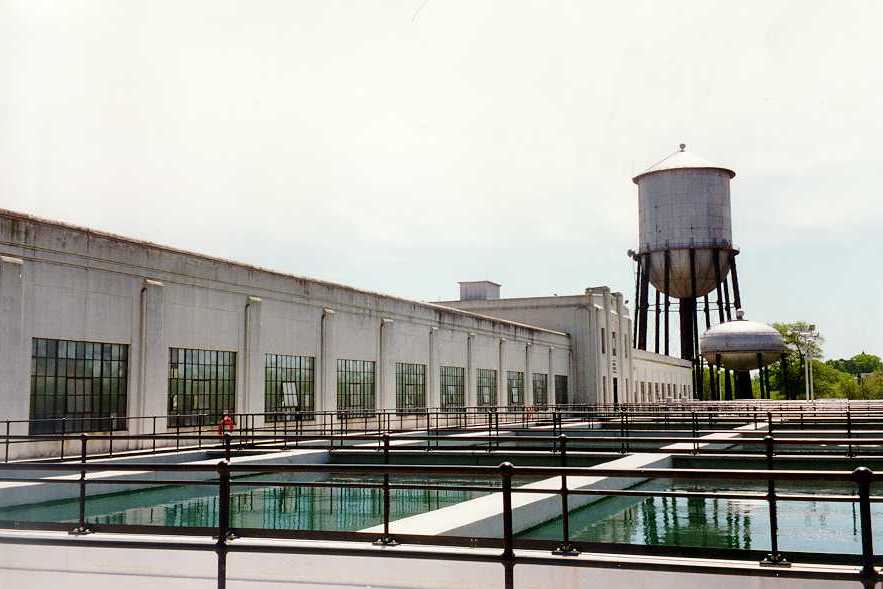
The activated sludge process removed nutrients and organic materials from the waterway. This development led to, arguably, the single most significant improvement in public health and environmental protection during the course of the century.


iwin creek lab and vacuum sludge dewatering 1927
Irwin Creek Wastewater Treatment Plant- 1927


When they opened, both plants boasted a total treatment capacity of 6 million gallons per day (mgd) and an average flow of about half that amount.

Sugar & Irwin were not the original wastewater plants. In fact, Charlotte’s first recorded sewer system dates back to July 17, 1876, when a contract was awarded for the first sewer lines along Trade Street. In 1903, large sewer collection pipes (outfalls) were begun for the Sugar & Irwin creek basins. Sugar Creek WWTP has been at its existing site since 1924 and performed partial treatment of wastewater before it was put back into creeks and streams, but three years later, work began on new-and-improved plants utilizing activated sludge technology and fully treating the wastewater.


a1927 SUGAR copy
Sugar Creek Wastewater Treatment Plant – 1927


Fast forward to 2017, Sugar and Irwin Creek wastewater treatment plants are still serving the ever-growing population of Charlotte 24/7. Along with three other wastewater treatment plants, 80 million gallons of wastewater is treated daily.


Will We Run Out of water?

The short answer is no, not if we continue on a sustainable path and practice conservation. But what does that actually mean? And how do we know we won’t run out.

Let’s first look into our water supply. Then we will learn how it is managed and what you can do to ensure water is around for years and years.

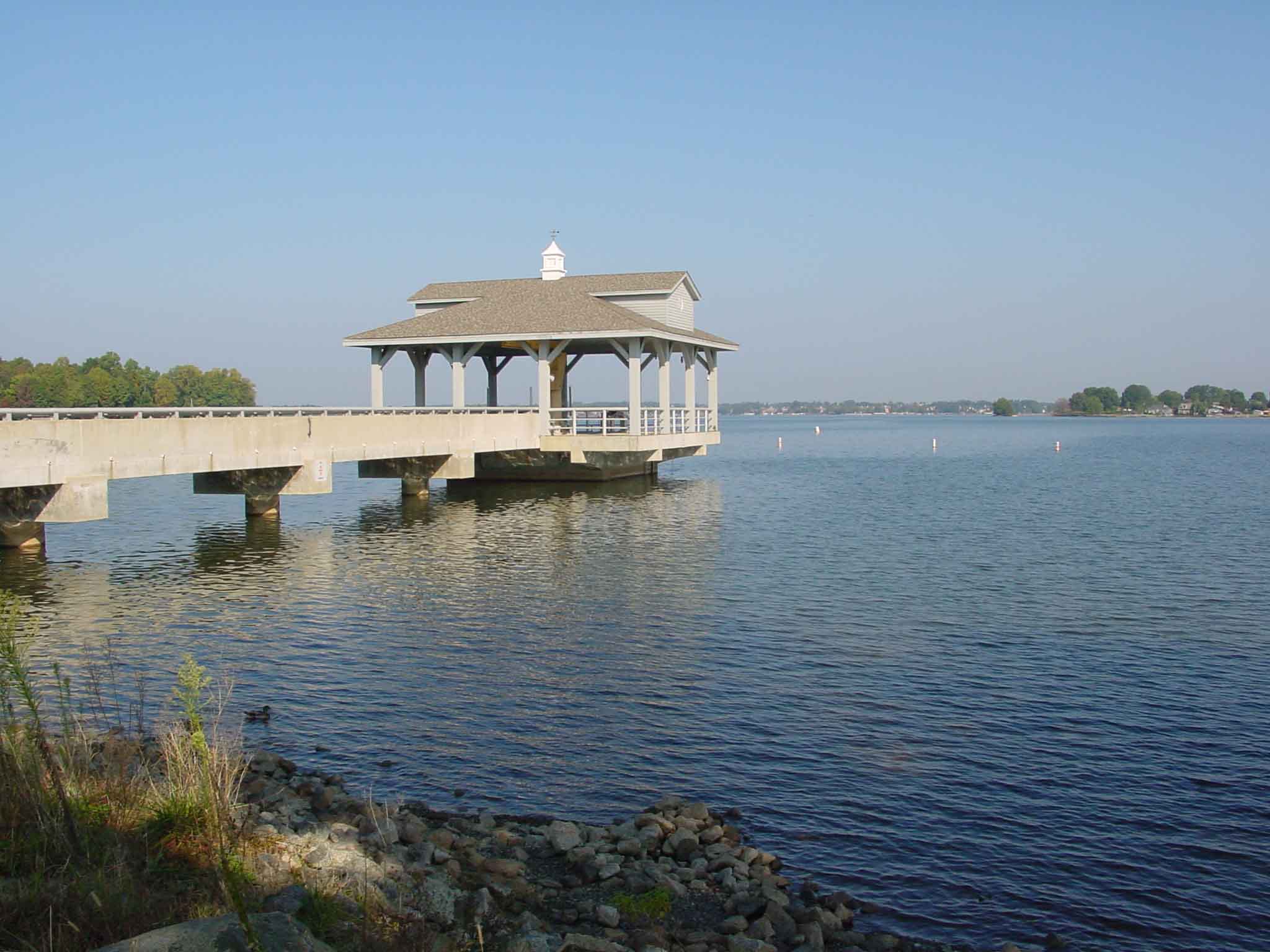
City of Charlotte/Mecklenburg County withdraws our drinking water from Mountain Island Lake and Lake Norman, both part of the Catawba River and the Catawba-Wateree River Basin. This river basin supports nearly 2 million people with water for drinking, power generation, industrial processes, crop and livestock production, recreation, irrigation and more. About 25% of Duke Energy’s electricity for the Carolina’s is made in the 13 hydro stations on the river basin.

geographic map of Catawba-Wateree River Basin  with several locations flagged with yellow markers and black font

So where exactly is this water going, and who uses it?

diagram of CW Reservoir System Water Balance to explain where is the water going from rain, sun, usage, irrigation, thermal power.

One of the most surprising things is that Catawba-Wateree River basin loses 204 million gallons/day from natural evaporation alone. You can imagine how much has evaporated during these hot summer months.

A 2006 Water Supply Study found maximum capacity of Catawba River Basin for water supply could be reached mid-century. Thus, a group was formed in 2007 to access and figure out a way to extend the life of our river basin.

This group that consists of Duke energy, who owns and operates the dams that manage the water and the 18 munincipalities is called the Catawba-Wateree Management Group. It is a non-profit corporation working to extend and enhance the capacity of the Catawba and Wateree Rivers to meet human needs while maintaining the ecological health of the waterway. This group was tasked with creating a Water Supply Master Plan.

The master plan identifies the current challenges associated with a limited water supply especially during periods of drought. It also identifies a series of recommendations that could extend the regional water supply capacity of the Catawba-Wateree River Basin into the next century.

Key recommendations of the plan include:

  • Increased water use efficiency
  • Lowering critical water intakes/elevations (via Duke Energy’s management of the dam system)
    • Power Plant
    • Public Water Supply
  • Raise target levels during the summer months
  • Enhance the Drought responsiveness through the Low Inflow Protocol (the protocol we use to determine what drought stage we are in and what amount of conservation is needed to ensure we have enough water for essential uses).

With implementation of the Catawba-Wateree Water Supply Master plan, we should extend the river’s capacity to sustain grown through 2100.

The good news is that total average water consumption for Charlotte Water customers is decreasing .Blue bar graph depicting total average consumption from 2007 to 2015 by the CCF or thousands

This is most likely attributed to more efficient appliances, smart irrigation and behavior changes.  This along with good infrastructure, financial and business planning will ensure that we have enough water for all current and future Mecklenburg County residents.

For more informatoin about the Water Supply Master Plan visit the Catawba-Wateree Management Group website.