As most residents are ending their day and heading off to bed, Justin Sherrill, a Water Treatment Plant Operator at the Franklin Water Treatment Plant, is just beginning his day.
Justin works the third shift at the plant, which begins at 10:00pm and ends at 6:00am. He takes some time after the end of his shift to show us around the plant, and give us a glimpse into a typical “day in the life” of a Water Treatment Plant Operator.

On a typical day, Justin begins his shift by receiving information from the prior shift; operators from the preceding shift debrief him on anything he needs to be aware of going into his shift for the night. There are three operators working during each shift, and there must be at least two operators on site at all times.
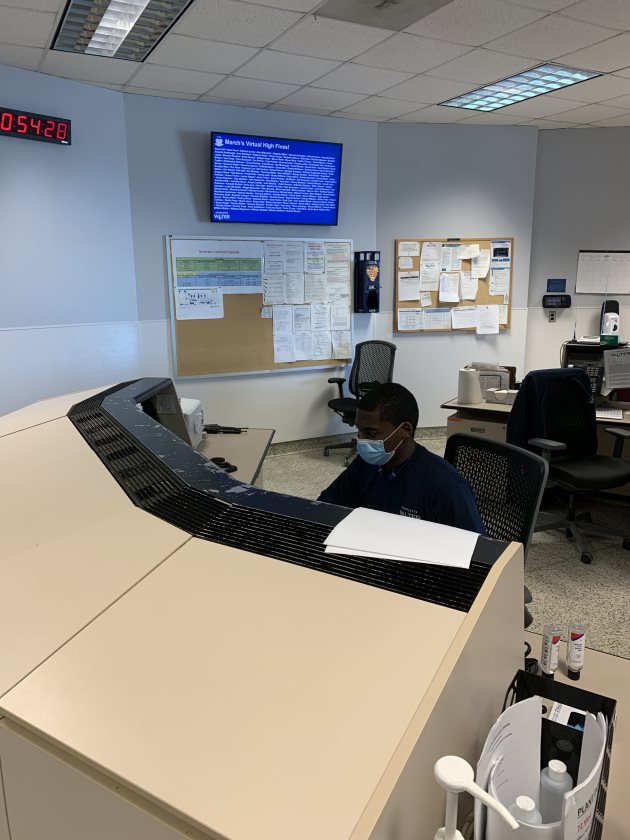
After receiving his assignments for his shift, Justin will do a walkthrough, where he will walk around to check the grounds, inspecting the treatment plant and making sure everything appears to be in order. As shift supervisor he must make sure that everything is in compliance with the required guidelines for his shift – tanks need to be filled to certain levels, putting out enough water into the system, making sure the water quality is where it needs to be, etc.
A story that Justin shared with us occurred back in early March. There was a large water main break that occurred during the early morning hours, and the treatment plant operators, Justin included, were some of the first to realize and identify that there was a problem due to the amount of water they were losing at the plant – it was an unusually high amount for that time of the day.
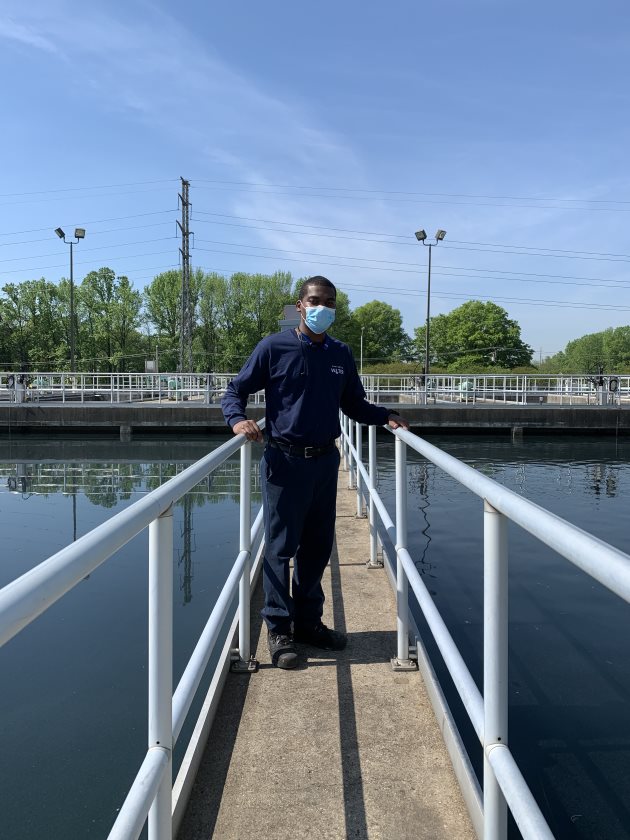
The first shift typically deals with the highest demands, as residents are more active and getting ready for their day during this time. The night shift helps to prep the morning shift, and also handles the paperwork and reporting out of how many chemicals were used and how much water was pumped out. This information must also be reported on a monthly basis.
Justin’s favorite part about his job is training other staff members and being able to share his knowledge and what he has learned along the way. Justin takes pride in knowing how important his role is, and enjoys sharing that information with others. Here, he takes the time to walk us through the steps of the water treatment process at the plant.
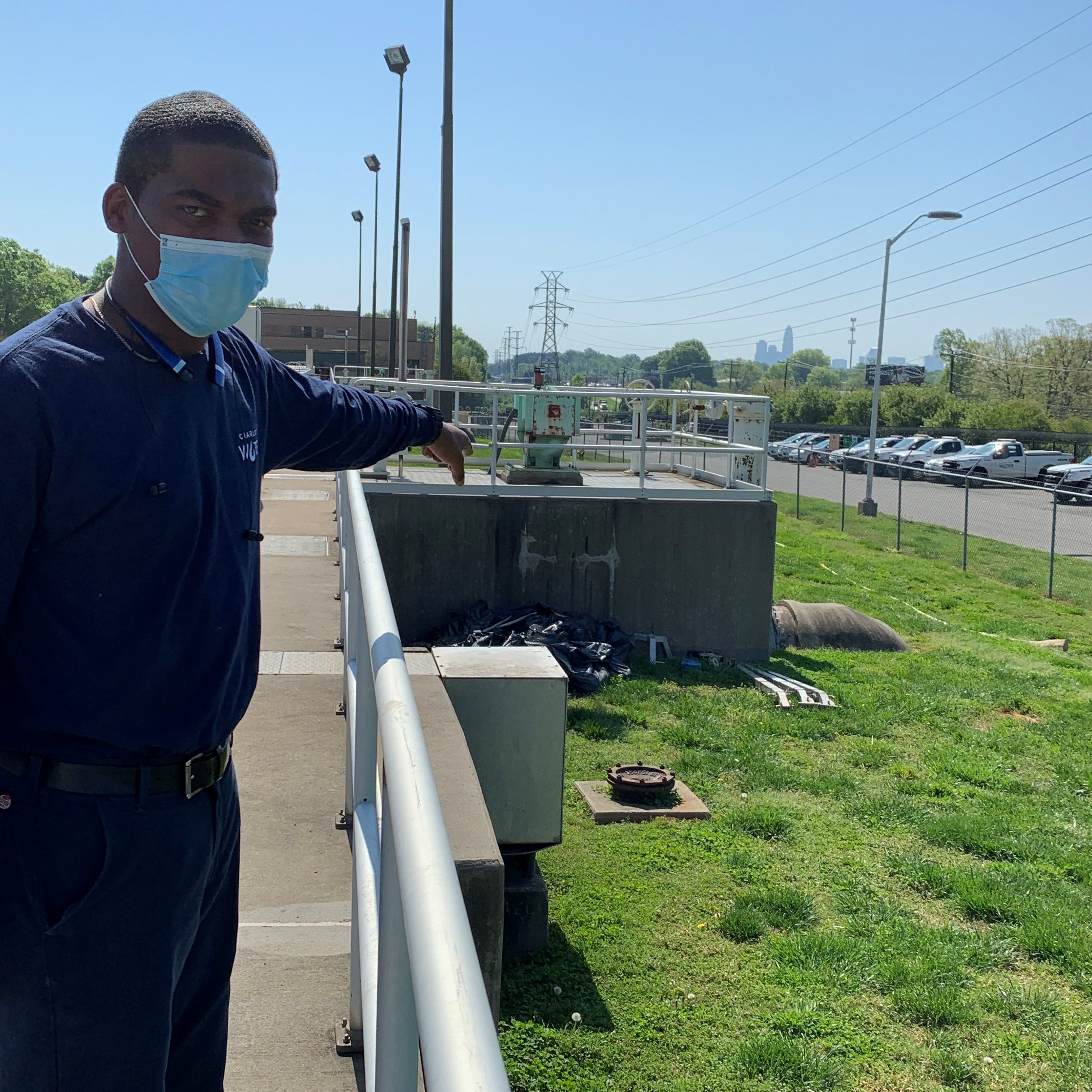
He points to the first step, which is pumping in the raw water (untreated water) from the reservoir. Once it is pumped in, it flows to the next steps of coagulation and flocculation. During coagulation, liquid aluminum sulfate (alum) is added to the raw water. When alum is mixed with the water, it causes the small particles of dirt in the water to coagulate (aka, stick together). During flocculation, large paddles in the tanks stir the alum and water mixture which causes the particles to stick together, which then forms larger and heavier particles called floc.
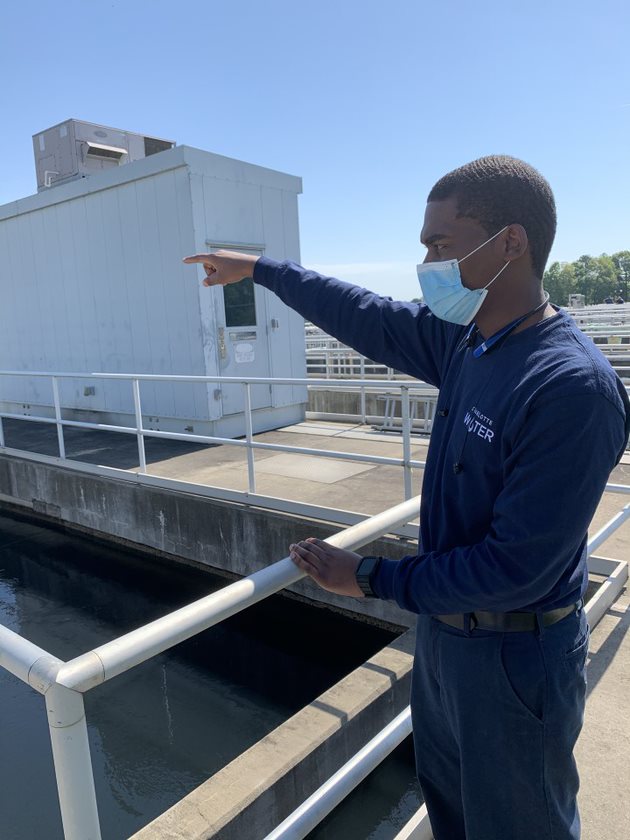
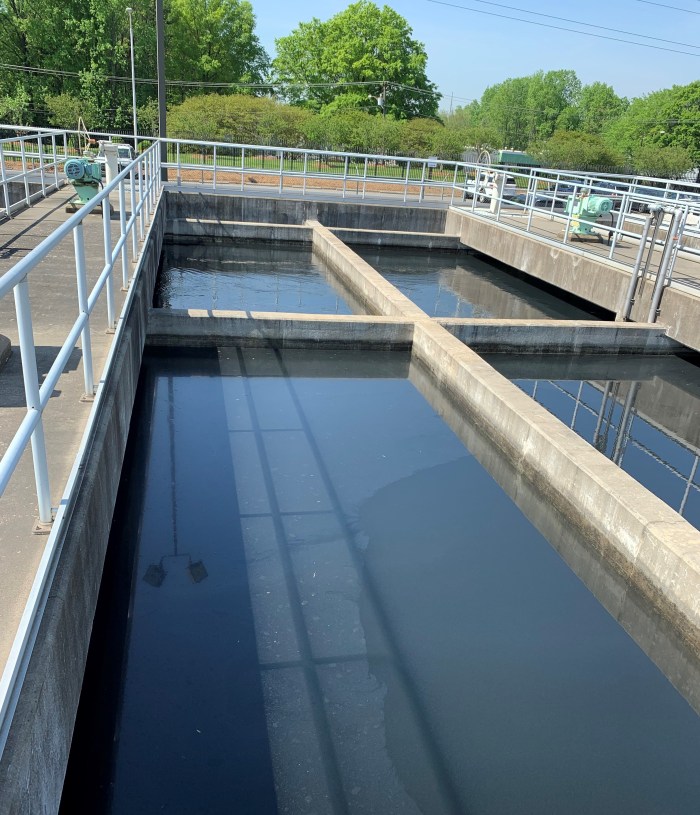
From there, the water and floc particles flow to the sedimentation basins where the heavy floc particles then settle at the bottom of the basin.
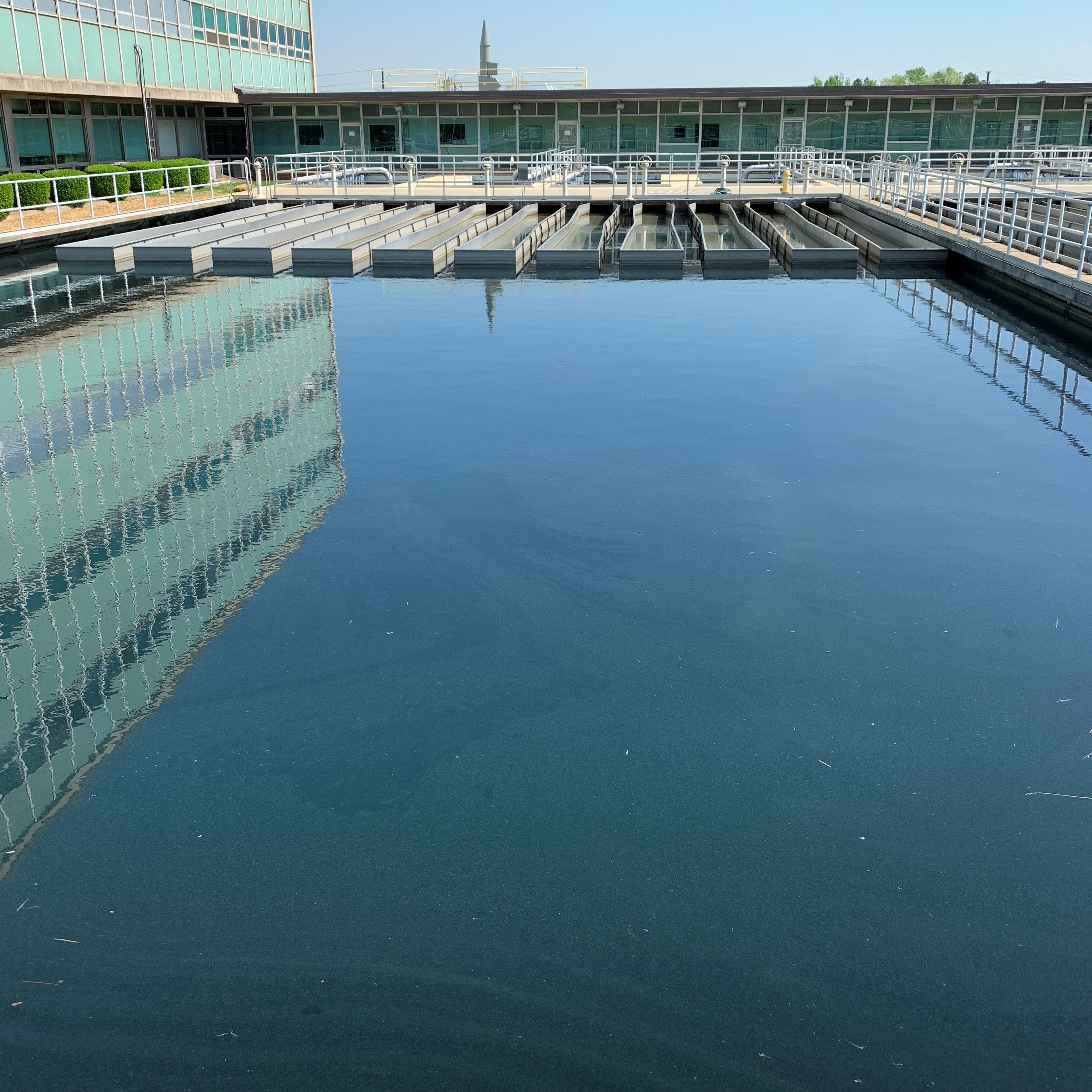
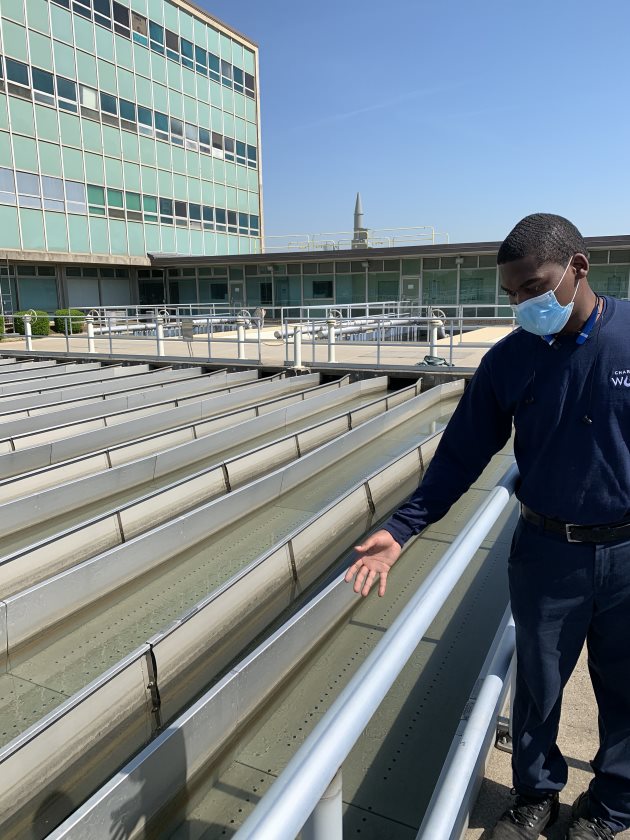

After that, the water flows through a filter, which removes any remaining particles in the water. After the water has been filtered, very small amounts of fluoride and chlorine are added to the water. The fluoride is added to help protect our teeth, and the chlorine is added to kill any germs or contaminants, and to help keep the water disinfected while it travels through miles and miles of pipes to reach customers.

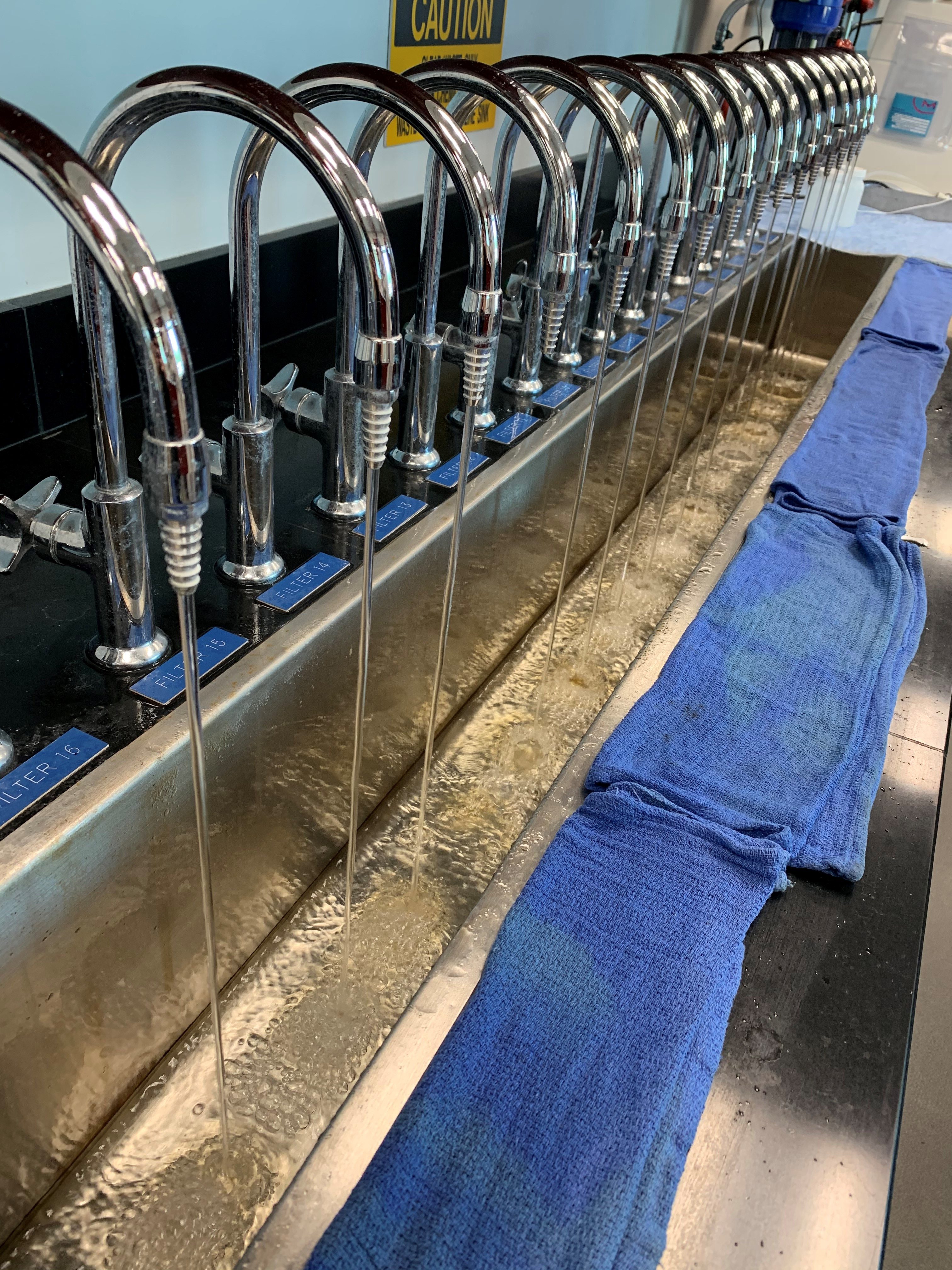
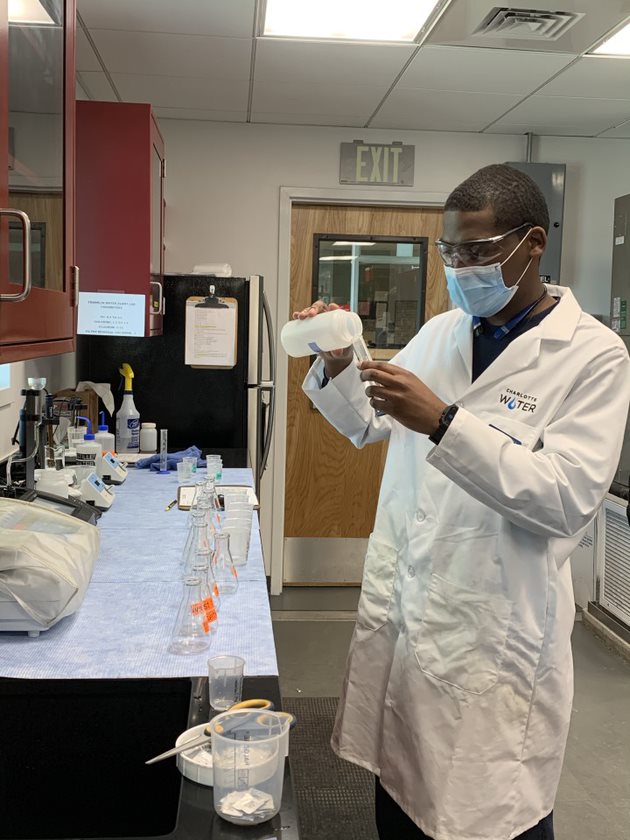
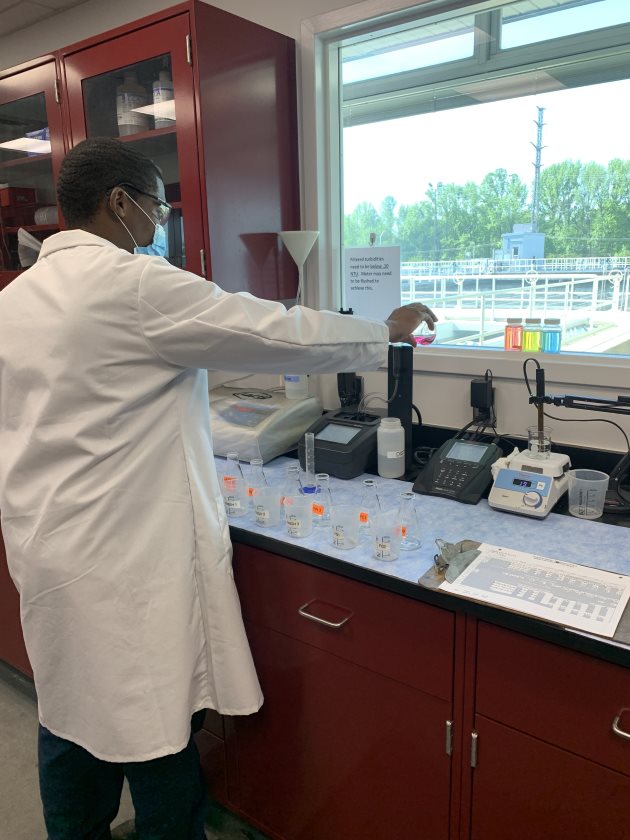
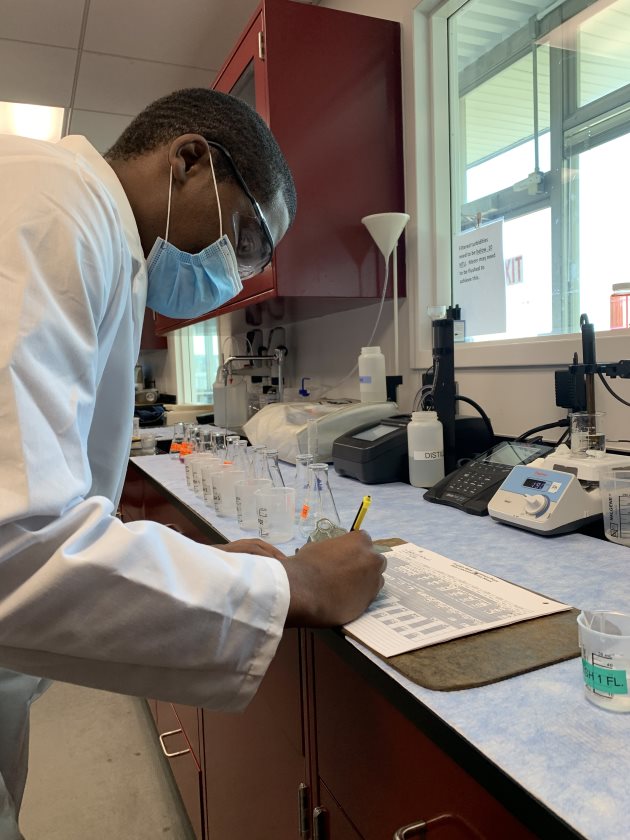
Next, Justin will grab some water samples from the lab, where they test each of the water filters every four hours. Samples from the Franklin Water Treatment Plant are also sent to our lab analysts at the Environmental services facility once a week for testing of taste, odor, and metals.

Thank you to Justin for showing us around and sharing more information about your role with Charlotte Water! We greatly appreciate our Water Treatment Plan Operators who help to keep clean drinking water flowing to our customers.
Continue to follow along this week as we will share more “day in the life” stories of our staff members during National Drinking Water Week!