Category Archives: Construction

How Does CLTWater Respond To A Wastewater Overflow?

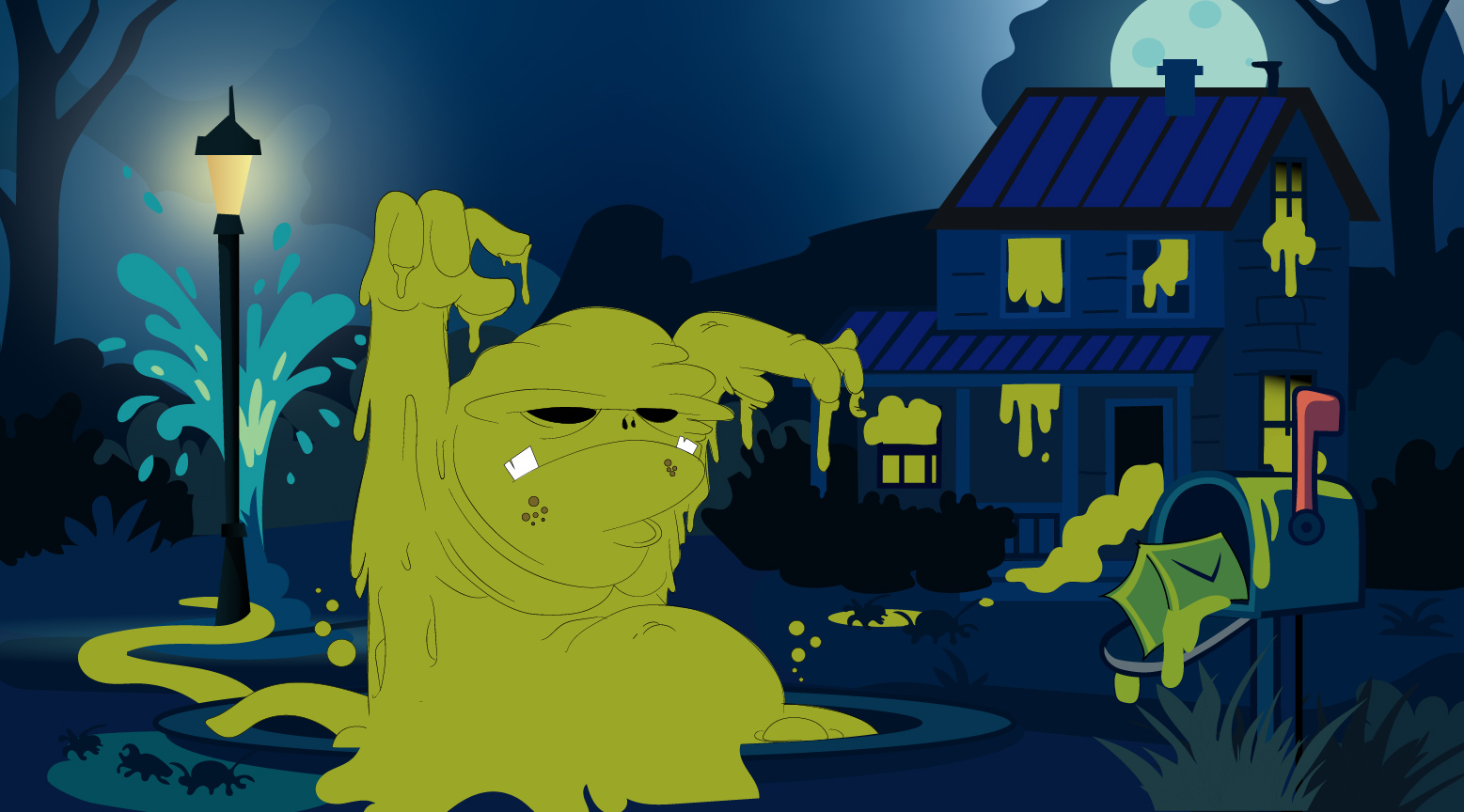
First, what is a wastewater overflow? A wastewater overflow, also referred to as an SSO (Sanitary Sewer Overflow), is a release of untreated or partially treated sewage from a municipal sanitary sewer, typically out of a manhole or a broken pipe.

Taken by Cam Coley, employee City of Charlotte, Charlotte Water

While wastewater overflows are nearly inevitable in a system as large as Charlotte’s, we do our best to keep these incidents to a minimum to protect human and environmental health.

How can I tell if there is a wastewater overflow in a creek?

You may notice a gray, milky color or odor. If you do suspect an overflow, call 311 right away and say or select wastewater emergency, and a crew will respond.

What should I do if I see a wastewater spill?

Call 311 or 704-336-7600 and say or select sewer emergency. We will respond 24 hours a day.

How can I help reduce overflows? 

  • Toss in the trash: paper towels, wipes, hair, cotton swabs, feminine products, dental floss, coffee grounds, and excess food. 
  • Toss in the toilet: only toilet paper. 
  • Drain in the sink: soap suds, small amounts of food from the plate, and liquids. 
  • Take to a full-service recycling center: used and expired oils and grease. 

What causes wastewater overflows?

  • Clogs from wipes, paper towels, leftover kitchen grease, oils, or anything other than toilet paper.
  • Pipe failure (tree falls and breaks pipe, stream/creek erosion causing the pipe to fall into the creek)
  • Tree roots attacking and clogging the pipe
  • Damage by nearby construction. (Reminder to always call 811 before you dig.)

How does CLTWater respond?

A rapid response crew will investigate the area and attempt to remove the clog. This work does not impact drinking water quality. Crews may run hydrants to flush the area, lightly apply lime to sanitize, and/or return to investigate other pipes. Residents and their pets are encouraged to avoid contact with the creek during an overflow response.

How does CLTWater respond to a large overflow?

There is a myriad of responses depending on the situation. For example – a tree falls into the creek, washing out the creek bank and undermining the wastewater pipe just behind the creek bank. Crews frequently inspect these areas, but erosion can occur quickly during heavy rain events. Crews will:

  • Create a temporary access road or path if necessary to respond.
  • Install a temporary wastewater pipe to bypass the broken pipe and stop the overflow. The pumps and temporary above-ground pipes are checked several times daily to prevent possible wastewater overflows.
  • Stabilize the creek bank.
  • Construct a barrier / temporary stream bank to protect workers.
  • Remove the broken pipe. 
  • Install the new pipe and test it.
  • Rebuild the stream bank with clean fill material (soil). 
  • Remove temporary pipes and pumps.
  • Remove large spoil piles of dirt.
  • Complete grading/drainage.
  • Plant trees/shrubs and seed/straw the area.
  • Restore the stream bank and revegetate.
  • If the greenway was closed during work, it would be restored and reopened. When greenways are affected, CLTWater works with Mecklenburg County on restoration.

How does CLTWater handle tropical storms or heavy rains and prevent spills?

The underground sanitary sewer pipe network is not designed to handle rain, yet the runoff and flooding from large rains inevitably infiltrate the wastewater pipe network. Overflow basins at the five largest wastewater treatment plants capture and later treat more than 160 million gallons of rainwater mixed with wastewater. These equalization basins (EQ basins) prevent wastewater from overflowing out of manholes in our community.

CLTWater has also added several large wastewater pipes to help reduce the impact of heavy rains. Crews work to prevent rainwater from getting into the sanitary sewer system and are out investigating our system soon after a storm ends.

Additional Resources:

Wastewater treatment plant process

Why does wastewater cost more than water on my bill?

How does CLTWater respond to a wastewater overflow?

What does a growing city mean to wastewater treatment plants?

Is the odor from a wastewater plant or sewer manhole?

Pipe Enhancements in North Charlotte, Part of Larger Charlotte Water Program

Lakeview Road is open! Charlotte Water (CLTWater) recently removed the closure and traffic measures along Statesville Road near Lakeview Road, as crews worked on a large water main opening along the roadway.

The work, related to the Water Transmission Mains Improvement & Repairs (WTMIR) Program, began Monday, July 24, and lasted a couple weeks. While traffic measures like detours and lane closures are sometimes frustrating, they are necessary for the safety of work crews and the public. In this case, the water main work happened parallel to other construction activities in the area. Thus, protecting people as well as the project was a priority.

Construction foreman removing cracked pieces of the pipe’s outer layer to assess the condition of the inner steel pipe.

Planning for any construction project while continuing to maintain access for nearby businesses, residents and motorists, can be complicated. It also takes a team effort. Before the project work begins, CLTWater collaborates closely with several different groups, such as state and city partners like NCDOT, CDOT, and other construction projects, to compare traffic plans and discuss ways to mitigate potential impacts as best as possible. This is all part of the important work CLTWater continues to do daily to provide clean, safe and reliable water across the Charlotte region.

Crew members are guiding the equipment operator on where to dump stone into the trench. While fixing the pipe, stone is added in the trench to combat the wet conditions.
 

Protecting and strengthening the CLTWater system is an important part of the daily work crews do. In the Fiscal Year 2024 budget, Charlotte Water designated millions of dollars towards the systemwide repairs and improvements, designed to update some of the oldest infrastructure throughout the system.

View of the existing pipe that is damaged. The wires pictured around the pipe are called “reinforcing steel wires.” They help keep the inner steel pipe from failing when there is pressure on the line. When the outside layer of mortar cracks over time, it allows the reinforcing steel wires to be exposed to the elements. After some time, the wires will begin to rust and break. This leaves the inner pipe without reinforcement and can eventually cause a line break.

In 2015, CLTWater completed a Water Transmission Mains Assessment, which evaluated some high-risk pipe composition across the water system that could need replacement. Transmission mains are the highways of water distribution; they are large pipes that convey water from pump stations or treatment plants to the neighbor distribution water lines. Since 2019, additional assessments identified various improvements needed to optimize the function and resiliency of the existing water transmission system.

The WTMIR Program is a combination of various replacement and installation projects across the water system, grouped under an umbrella of work designed to improve the water system. The Program is broken down into Zone Areas throughout the CLTWater service area. Each Zone Area will consist of various design and construction projects, which may or may not occur simultaneously.

When a pipe is damaged, workers will cut out the bad section and replace it with a stronger, more durable, pipe. The pipe pictured here is called Ductile Iron Pipe (or DIP). This is the finished replacement.  

The importance of the WTMIR Program is to ensure water continues to flow to customers and reduces future emergency repairs that lead to unplanned water outages and traffic disruption.

Work has already been completed in several areas along Old Statesville Road, with upcoming work along Peachtree Rd, Oakdale Rd and other areas expected later this year.

For more information, visit https://www.charlottenc.gov/Growth-and-Development/Projects/Water-Transmission-Mains-Improvement-and-Repairs-Program.

Charlotte Water Capital Improvement Project: Clarke Creek Pump Station and Force Main Project

Charlotte Water and its contractors have begun construction on the Clarke Creek Pump Station and Force Main Project. Wastewater generated from portions of Northeastern Mecklenburg County currently flows to the Water & Sewer Authority of Cabarrus County (WSACC). Due to an increase in development and demand in the area, it is necessary to build a new facility to divert a portion of the Clarke Creek Basin flow to the McDowell Creek Wastewater Treatment Plant instead.

Pumping a portion out of the Clarke Creek Basin will allow for new development to continue and will ensure ongoing, reliable service for CLTWater customers.

PROJECT UPDATES

A Public Meeting was held on Tuesday, May 9, 2023, at Charlotte Mecklenburg Library: North County Regional to discuss the project and answer questions. A copy of the presentation that was reviewed during this meeting can be reviewed below.

For questions, please contact the CLTWater Project Manager, Samuel Wally at Samuel.wally@charlottenc.gov or 704.315.8129.

UPCOMING WORK

This Summer, CLTWater will begin clearing easements (commonly known as the right-of-way) near the North Mecklenburg Recycling Center.

Clearing activities involve removing natural growth and debris so that the area is accessible to the project team.

All activities will occur at least 200ft. away from residential properties in the Plum Creek Neighborhood. The work in this area is anticipated to be completed by the end of Fall 2023.

PROJECT DOCUMENTS

  • Clarke Creek Pump Station and Force Main Project Pre-Construction Mailer

Unidirectional Hydrant Flushing

Charlotte Water clears mineral deposits (sediment) from water pipes by flushing water through fire hydrants. The mineral deposits in the pipes are only dislodged when the water is flowing at very high speeds. It has not affected water quality but may have reduced water pressures and pipe capacity.

Water quality sampling stations (green boxes) are installed in the neighborhood so staff can test the water before and after flushing hydrants.

Customers receive a postcard and a notice on their door before this type of hydrant use. Updates will be posted on NextDoor.

Discolored Water is Possible

Customers near flushing may notice temporarily discolored water and lower than normal water pressure. The discoloration does not pose a health risk. However, avoid using tap water or running the washing machine or dishwasher until flushing is complete.

If you experience some discoloration in your water from nearby flushing, run the cold water at one tap for 5 minutes to see if it clears. If it does not clear wait an hour and try again. When the water runs clear, flush any taps where discolored water was present. If not clear after one hour, call 311 to report issues

If you have a question about this project, please contact us at 311 or 704-336-7600.

Fire Hydrant Unidirectional Flushing Frequently Asked Questions

What is unidirectional flushing?

Unidirectional flushing is used to improve and maintain our high-quality drinking water. Sediments and mineral deposits in the pipes can discolor drinking water. The high-speed water flows used in unidirectional flushing is an efficient and cost-effective way to remove sediments and deposits from the pipes and prevent potential water quality issues.
Why does Charlotte Water flush drinking water pipes?

Drinking water pipes need to be flushed out to improve water quality. Over time, very fine sediment from mineral deposits and organic matter settle out of the water and accumulate in the bottom of the pipes. While the sediments are generally harmless, they can make the disinfectant in the water less effective. Additionally, sudden changes in the flow of water can disturb these sediments resulting in cloudy, discolored water.

What should customers expect to see?

While crews have the hydrants open, passersby may notice a lot of water running down the road to a nearby storm drain. At times, the water may be very cloudy or brownish.

Is it common to flush the pipes?

Charlotte Water uses three techniques to clean and maintain the drinking water system: spot flushing, auto flushing, and unidirectional flushing.

Spot flushing is used to address discolored water issues. This includes when drinking water is discolored due to a disturbance in the system such as construction or other hydrant activity. Crews open fire hydrants to flush this water out of the system and bring fresh water into the pipes.
Auto-flushing is similar to spot flushing and is used to maintain water quality by reducing the water age in the distribution system. This type of flushing uses an automatic flushing device, called an auto-flusher, which is connected to hydrants and programmed to flush water at certain time intervals and flow rates. Using an auto-flusher reduces the amount of staff time needed to maintain consistently better water quality at a certain location in the distribution system while using water in a more efficient manner.

Unidirectional flushing is not used in response to a specific water quality issue but instead is used as routine maintenance to prevent problems from arising. The goal of unidirectional flushing is to clean the insides of the water delivery pipes. Cleaning the pipes removes sediment that builds up in the pipes. This reduces the potential for water quality problems. Unidirectional flushing works by forcing water in the pipes to flow at much higher speeds than normal. Flushing crews first open and close valves to isolate sections of pipe, and then the water and any mineral sediments in the pipes are flushed out through an open fire hydrant.

Has the sediment built up in the pipes harmed me?

The sediment from mineral deposits in the pipes is only dislodged when the water is flowing at very high speeds. It has not impacted water quality but may have impacted water pressures and pipe capacity.
Unidirectional flushing will have minimal impacts to customers. If you see hydrant flushing crews working in the area, please drive carefully and treat them like any other road construction crew.
Customers in the immediate vicinity of flushing may notice temporarily discolored water and lower than normal water pressure. The discoloration does not pose a health risk. However, avoid using tap water or running the washing machine or dishwasher until flushing is complete.
If you experience some discoloration in your water from nearby flushing, run the cold water at one tap for 5 minutes to see if it clears. If it does not clear wait an hour and try again. When the water runs clear, flush any taps where discolored water was present. If not clear after one hour, call 311 to report issues.